

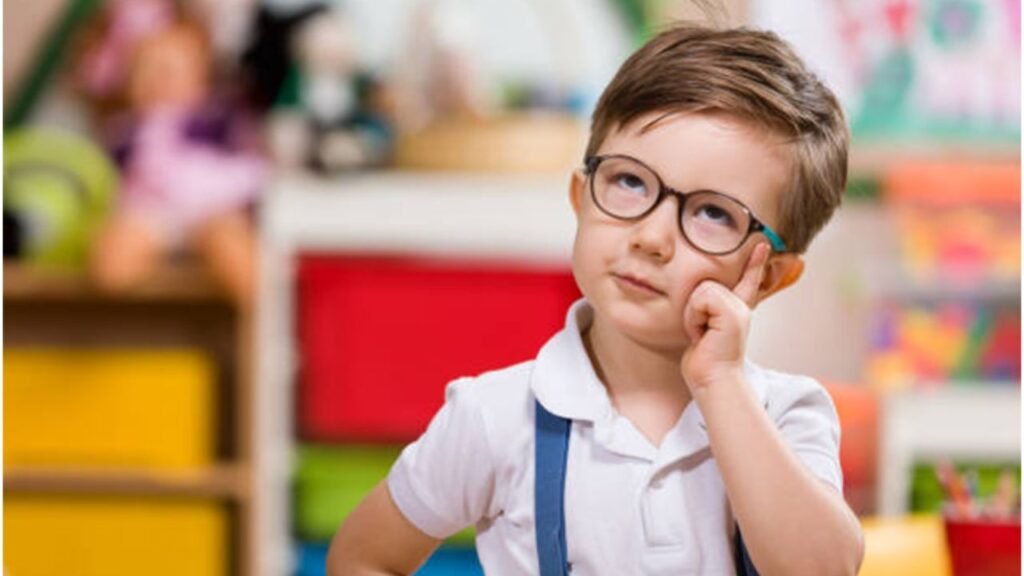
Ask any parent of a young child how many times a day they hear the word “why?”
Why is the sky blue?
Why do worms come out when it rains?
Why did my ice cream melt?
These questions aren’t just a phase to get through. It’s a young brain doing exactly what it’s built to do! Young children take in the world and try to make sense of it. How we respond to that curiosity in the early childhood years matters far longer than most of us realize.
Why The Early Years Matter So Much
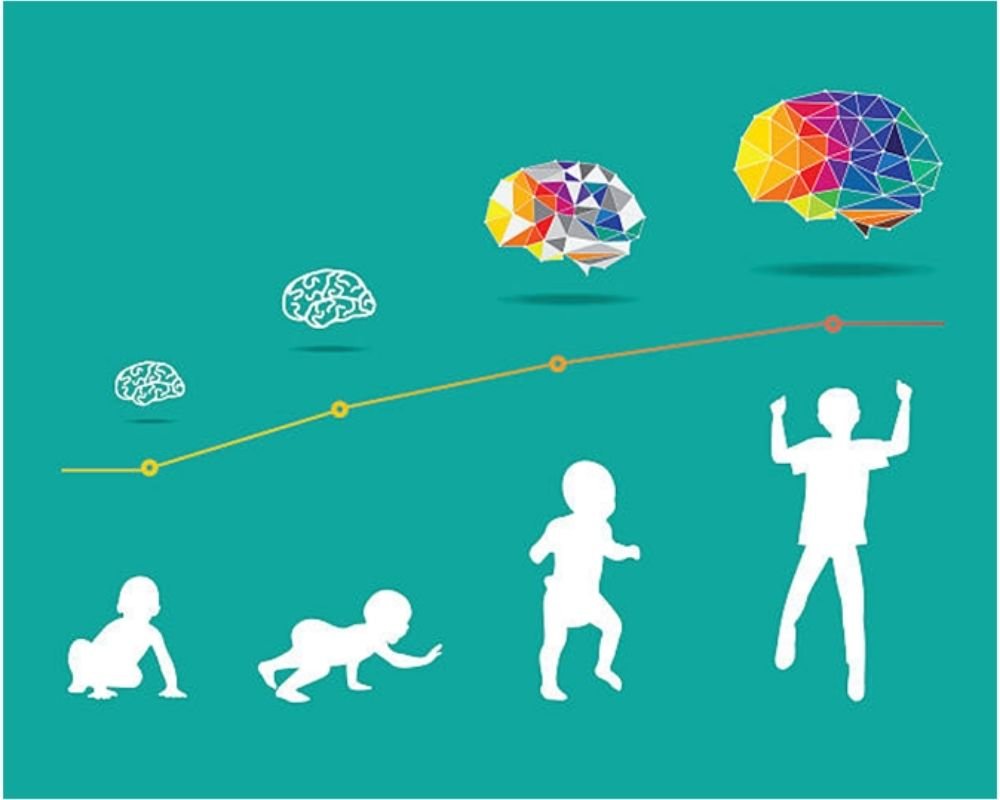
From birth to about age five, children’s brains and bodies grow extraordinarily fast, especially in the first three years, so the experiences they have during this window can affect their physical, mental and emotional development for life.
This isn’t a new idea in Canada! In 1999, a study led by Dr. Fraser Mustard and the Honourable Margaret McCain, laid out the neuroscience behind why learning between birth and age five is so important, including how early experiences shape a child’s capacity to learn once school begins. That work informed Ontario’s Best Start Plan in 2005, and in 2021 the federal government introduced a Canada-wide early learning plan.
Why Science Belongs in the Early Years
If you’ve ever watched a toddler, drop a spoon off a high chairagain and again, Congratulation!! you’ve seen an experiment in progress. Young children are curious about everything, and that curiosity is the raw material of science!
Young kids are “natural born scientists” who can make observations and predictions, carry out simple experiments, and make sense of what they discover!
Bringing science into early learning builds on that role. Early STEM learning has been linked to a long list of benefits like, they nurture curiosity and creativity, strengthen problem-solving and critical thinking, support language learning, build social-emotional skillsand alsoboost children’s confidence as learners that help make learning more inclusive.
A large US study following more than 7,700 children found that what children knew about the world when they entered kindergarten was the strongest predictor of their knowledge in grade 1, which in turn was the strongest predictor of their science achievement from grade 3 through grade 8. Among children who started school with low general knowledge, 62 percent were struggling with science in grade 3, and 54 percent were still struggling in grade 8. The researchers concluded that closing science gaps likely requires stronger early efforts, especially before children reach the primary grades.
We’ve heard many parents/guardians mention that they want to prioritize math and English learning for their young kids, however, science isn’t competing with reading and math for time! When children describe what they see, they’re building vocabulary. When they count seeds or compare which tower is taller, they’re doing math. When they take turns at the water table, they’re practicing cooperation with peers.
What Early Science Looks Like in Practice
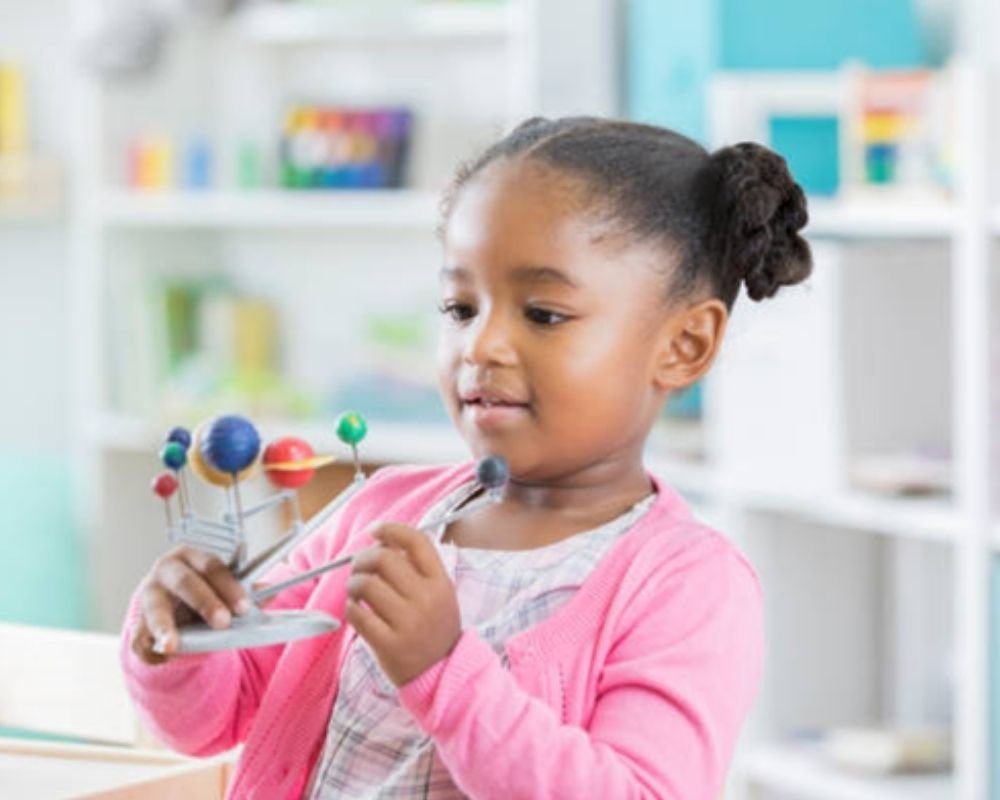
Early science learning can be as simple as testing which toys sink or float in the bath, planting a bean in a clear cup to watch the roots grow, tracing shadows at different times of day, mixing paint colours and see the change with new colour or turning a walk around the block into a hunt for bugs, leaves and interesting rocks. Every time, the key steps are the ones real scientists use: noticing, wondering, guessing, testing and talking about what happened! Simple questions like “What do you think will happen?” and “Why do you think that happened?” go a long way to encourage curiosity.
Adults don’t need to be experts, either! The key is to explore simple science with young children every day, sharing their own interests, and to be comfortable admitting they don’t have all the answers so they can learn alongside their kids. Modelling that kind of curiosity may be one of the most valuable lessons of all!
Early Age Science Education Matters!!
Let them to EXPLORE, DISCOUVER & LEARN
Thanks for reading!!
Sources